Typical Sardinian Lunch
Sardinian cuisine is mainly characterised by two things: the refined taste is its dishes and the hospitality and warmness of the gatherings at the table. For the inhabitants of this island, lunch is a celebration, in which both men and women have their specific roles to play. The women dedicate themselves to the preparation of the bread, pasta and sweets while the men busy themselves with the preparation of the roast, be it meat or fish, and the correct choice of exquisite wines depending on the meat that is to be served.
Local specialities are much evident at the table and any occasion is fit for a gathering of this kind, such as work in the countryside, crop sewing or harvesting, grape-picking where the entire village spends a whole day eating and tasting the optimum wines, followed by traditional song and dance. Whoever visits Sardinia should experience the island's cuisine because to do otherwise would be to miss the occasion to taste the gastronomy of a unique culture and tradition.
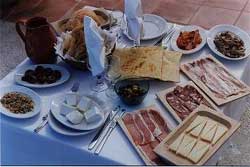 Starter
You begin by whetting the appetite with local hams, sausage and cured pig's cheek, olives and pecorino cheese served in the "su tageri" (trencher), all accompanied by a rosé wine taken straight from the wine cellar.
First course
"Culurgiones" and "gnocchetti" generously served with ragu and grated cheese.
Second Course
Lamb, goat or pork, spit-roasted over an open fire accompanied by fennel and celery cut into quarters and served at the table.
Cheeses
Mature sheep's cheese or "caggiu" and "casu Marzu" (strong blue cheeses).
Dried or seasonal fruits
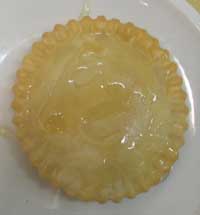 Typical sweets
"Pardulas", macaroons, or the more delicate "sa sebadas".
Wine
Red Cannonau di Sardegna which should be served at room temperature.
To finish the lunch, liquors:
"Abbardenti", "Abberdenti" and "Mirtu".


